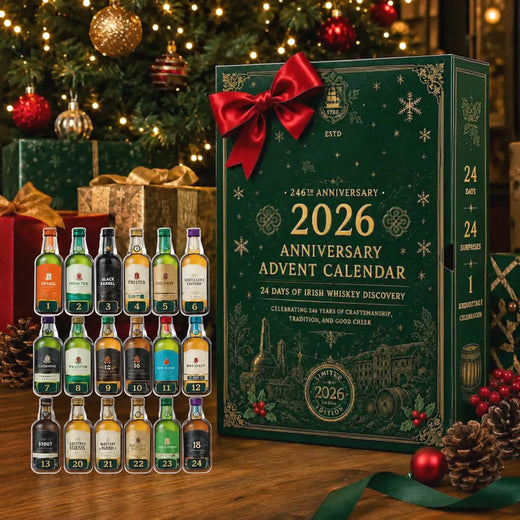
246th Anniversary Advent Calendar

Made with love — quilted and topstitched

30-Day Happiness Guarantee — full money-back, no fuss

Tracked Delivery & Real Human Support
We're closing the warehouse, and once this design is gone we won't be making more.
 To AU with tracked delivery
EVERYTHING MUST GO
WAREHOUSE CLOSING — Every Bag Free
When the shelves are empty, we close for good. Claim yours while it's here.
This commemorative edition, designed to mark two and a half centuries of tradition, approaches the seasonal gift as a design exercise rather than a rushed transaction. It offers a slower, more considered exchange, in which the exterior already shows its intention long before the moment of discovery.
Highlights
- A structured box, designed as a full-fledged display object, regardless of what the recipient does with it afterward.
- A sequence of individual compartments that encourages a calm, measured rhythm in the weeks leading up to the anniversary date.
- A construction and materials chosen with a second life in mind, so the structure keeps serving long after the season.
The architecture of anticipation
Even before a single compartment has been touched, the presentation box already fulfills its role simply by taking up space. The geometric proportions are designed to hold attention on a shelf, side table or dining table, and form a visual anchor point that signals the occasion without explanation. The tactile sturdiness of the box, the weight deliberately distributed in the base and the precision of the edges all contribute to the impression that this object was designed and not just put together.

Charles Eames observed: "The details are not the details. They make the design." That principle applies directly to the construction of this edition: the alignment of the front, the evenness of the finish and the way the structure holds up under handling distinguish a thoughtful display piece from an ordinary seasonal box. The architecture invites a second look before it invites interaction.
A ceremony of gradual reveal
Once set up, this edition asks for patience instead of haste. The layout consists of a series of separate compartments, each meant to be approached one at a time instead of all being opened at once. This structure resists the urge to rush to the end and instead rewards a measured pace, in which a few seconds of rest per day become a small pause in a busier period of the year.

The ritual is less about what lies behind a particular step than about the discipline of returning to the same object again and again with attention. Over the weeks, that repetition builds familiarity with the geometry and finish of the box, so a static object comes to feel more like a seasonal companion. The rhythm is suggested by the design, but the tone of the ritual is entirely up to the one taking part.
Responsible grandeur, conscious stewardship
Grandeur and presence do not have to come at the expense of restraint. The structure of this anniversary box was designed with the awareness that elaborate display pieces often end up in the trash within a few days after the season. Here the intention is different: the box is built sturdy enough for a second use, as a tray for small objects, a keepsake box or simply as a decorative structure once the original ceremony is over.

William Morris wrote: "Have nothing in your house that you do not know to be useful, or believe to be beautiful." That principle guided the balance between visual ambition and material restraint in this design. Instead of treating the box as disposable packaging around a seasonal item, it is designed as an object that can remain useful, or at the very least beautiful to look at, long after the last compartment.
Presentation as an act of quiet generosity
By choosing this box for someone else, the emphasis shifts from the transactional aspect of a gift to the experience of receiving something with visible intention. The exterior says a lot on its own and expresses care through proportions, finish and colour, even before the recipient discovers the first step of the sequence.

Wassily Kandinsky observed: "Colour is a power which directly influences the soul." The palette and the choice of shades of the box are not unimportant; they help determine how the object sets a mood from the first glance. A restrained, thoughtful exterior can radiate reserve and confidence, while a bolder finish can announce celebration. In both cases, the box's imagery already begins to shape the recipient's experience before the discovery ritual begins.
Giving the box a place in a curated interior
How and where this edition is displayed changes how it is experienced in a space. Against a plain wall or on a neutral shelf, the geometry of the box becomes the focal point, drawing attention through form and shadow instead of a busy surrounding. Among other seasonal objects, it works instead as a subtle anchor point that gives structure to an otherwise varied whole.

That flexibility matters, because the box is not meant to disappear once the ritual is over. Thanks to its proportions and finish, it can stay in the arrangement of a space throughout the season, and the construction is designed to withstand that continued display without losing its shape. That way, the placement becomes part of the gift itself.
Technical features
| Criterion | General tips |
|---|---|
| Space needed | Ideal on a flat, stable surface with limited table or shelf space; the exact dimensions vary by edition and are not standardised here. |
| Recommended surface | A dry, flat spot away from direct heat sources helps preserve the structure of the box. |
| Handling | Support the base when lifting or moving it, because the centre of gravity can differ depending on the position of the box. |
| Use after the season | Many boxes of this type are sturdy enough for light reuse, such as storage or decoration, although suitability may differ. |
| Care of the finish | Limiting prolonged exposure to direct sunlight and high humidity usually helps keep the exterior looking good over the long term. |

Frequently asked questions
How do I place this presentation box for optimal visual effect?
When displaying it, it is better to leave free space around the box than to put it on a crowded shelf, because the geometry needs visible edges and shadows to be seen as a design object. A neutral background, whether a plain wall or a tidy side table, ensures that proportions and finish remain the centre of attention all season.
Is there a recommended rhythm for discovering the compartments?
A calm, unhurried pace is encouraged instead of rushing through all the steps. By discovering one compartment at a time, spread over the days leading up to the anniversary, the ritual works as a conscious pause instead of a quick race squeezed into an already full schedule.
Can the box be reused once the season is over?
The structure is usually sturdy enough for a second use, such as light storage or decorative display, once the original ceremony is over. How suitable it is for reuse may depend on how it was treated during the season, but durability is a design priority and not an afterthought.
Is this box meant more for personal use or as a gift?
Both work equally well, because the design doesn't depend on a recipient other than the one using it. Keeping it yourself turns the ritual into a personal, structured pause in the season, while giving it as a gift passes the same experience on to someone else through the intention built into the presentation itself.
What is the connection between the design and a 246-year milestone?
The anniversary framework determines the proportions and rhythm, not a specific claim about the contents. A long span of time is reflected in the deliberate character of the structure itself, in which the unhurried sequence of compartments and the controlled geometry of the box aim to evoke patience and continuity rather than one spectacular moment.
What care does the exterior need?
Basic care is usually enough: keep the box out of direct sunlight, excess moisture and prolonged heat to protect the finish. A soft, dry cloth is usually enough for maintaining the surface, and lifting it by the base instead of the top edges keeps the structure well aligned with repeated use.
Does the construction reflect a sustainable design approach?
The material choices aim at less waste instead of maximum single-use spectacle. The box favors durable construction over more fragile alternatives, with the aim of a structure that lasts longer than one season. This approach makes environmental awareness part of the design requirements instead of an added feature.
How does colour influence the display experience?
Colour sets the tone even before any other aspect of the box. A restrained palette can come across as composed and formal, while richer shades tend to suggest celebration and warmth. These choices are deliberate and not decorative additions, and they determine how the object is experienced from the moment it enters a space.
Can the discovery ritual be shared with family or guests?
Nothing in the structure stands in the way of shared use; several people can take turns discovering a compartment on a given day if that fits the rhythm of the household. The pace is a suggestion and not a rule, so the ceremony adapts as easily to a group as to one person.
What sets it apart from a classic seasonal gift box?
The difference lies in the intention: a classic box usually serves as packaging that gets thrown away, whereas this box is designed as an object that deserves to stay in view. The emphasis on structural presence, rhythmic interaction and usability after the season sets it apart from packaging designed only to be opened once and then put away.
This is no ordinary bag. Every piece is quilted and topstitched in a wave pattern, so it keeps its shape — and you carry a little colour with you every day. Beautifully finished, cheerful, and made to be used for years.
We do not have the measurements for every makeup and wash bag model. Email us before you order at info@marlowbags.com and we will look the sizes up for you.
Every order is carefully packed and sent with tracking. You will get a tracking link by email as soon as your bag is on its way.
Your bag is free — you only pay shipping: $39.95 for the first bag and $35.00 for each extra bag, shown at checkout before you pay. If anything is not right, our 30-day happiness guarantee has you covered with an easy, no-fuss return.